A short introduction
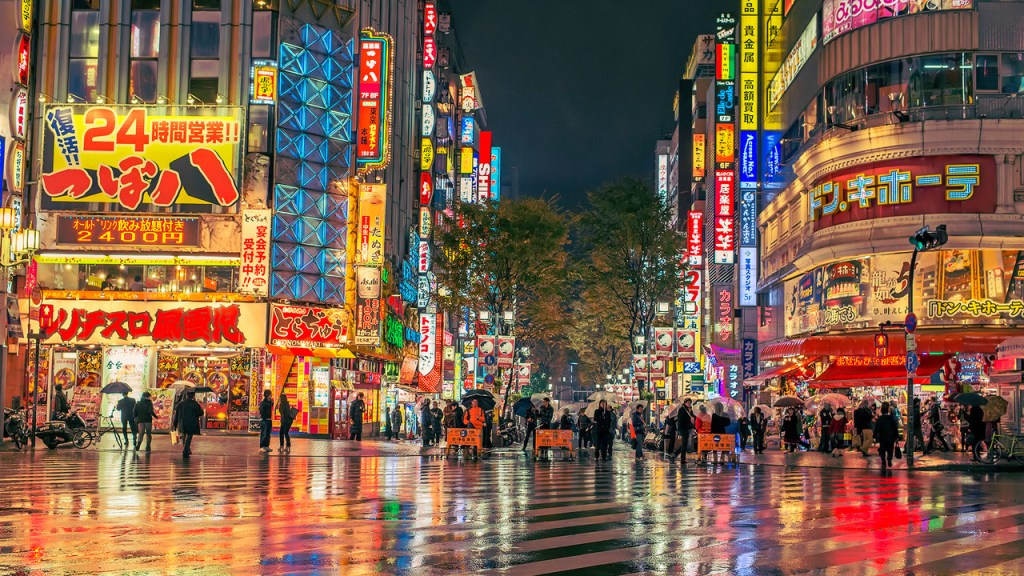
Tokyo was a surprising city, and i say that with love! A land of colourful neon signs and amazing food that made me feel as if i was in a picturistic movie. Its never ending buzz and vibrancy is something that ill never forget! Its a city of excitement and i left feeling satisfied yet i had already begun to dream about the next time i would return!
A place that generally started as a fishing village, has gradually evolved into one of the most famous tourists spots, filled with exciting streets and unique culture.
But alas, all trips have some sort of stress when planning a week of smart spending and estimating budget. So here are my tips and suggestions when travelling to the centre of the land of the rising sun!

Overall budget and spending
For my seven day trip to Tokyo, I managed to stay in my budget of RM5000 and spent a total of RM4500 including shopping and food! A helpful tip on saving costs, I recommend you prebook hotels at least a month before your trip. Buying a full-day pass for the subway also saves up to 500yen a day!
I spent about RM1000 on food and shopping; it was so interesting to see the wide variety of cheap and delicious japanese food under 800yen.
The best time to visit Tokyo
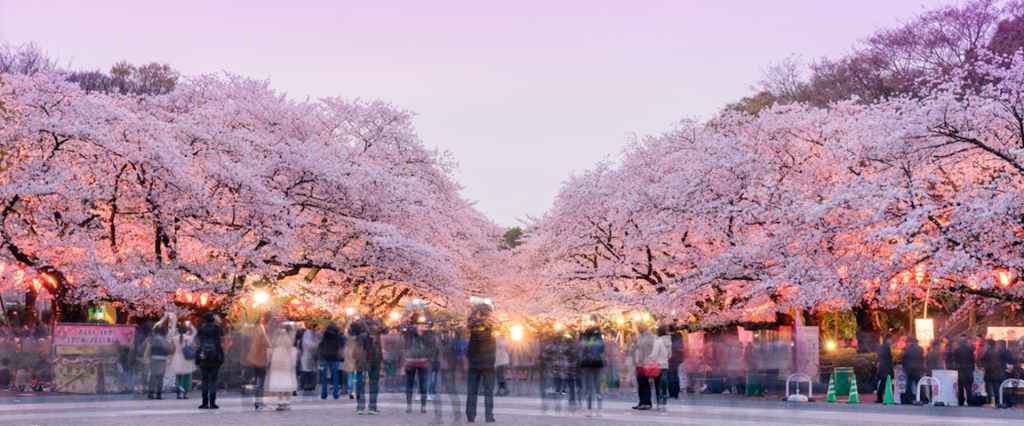
In terms of cutting cost, I travelled to Japan during the month of august, where plane tickets, as well and hotel costs were the cheapest. I don’t recommend going in December unless you’re planning to go skiing. Air tickets during that time are costly due to it being a holiday for most countries. If you love the springtime or want to see the beautiful sakura trees, you may need to spend slightly more on your air ticket and overall accommodations.
I spent about RM1000 on food and shopping; it was so interesting to see the wide variety of cheap and delicious japanese food under 800yen.
Credit cards and cash
Many smaller spots in Tokyo don’t accept cards, so it better to carry some cash with you. ATMs can be found in most 7-Elevens, so making a quick stop there for cash won’t be a problem!
Internet Access
I also recommend downloading a QR reading app as most shops provide QR codes to access free internet. There aren’t many places that offer free wifi so save yourself the inconvenience by getting a sim card ( around RM40 for 7-day-unlimited data )
Language
Based on my 7-day experience, most people in Tokyo have a limited vocabulary in English, but the 2020 olympics are approaching, more signboards in english have begun to pop up. If you have trouble getting your point across, don’t worry. Japanese are generally very friendly and helpful. Be patient and make use of google translate!
Getting around Tokyo
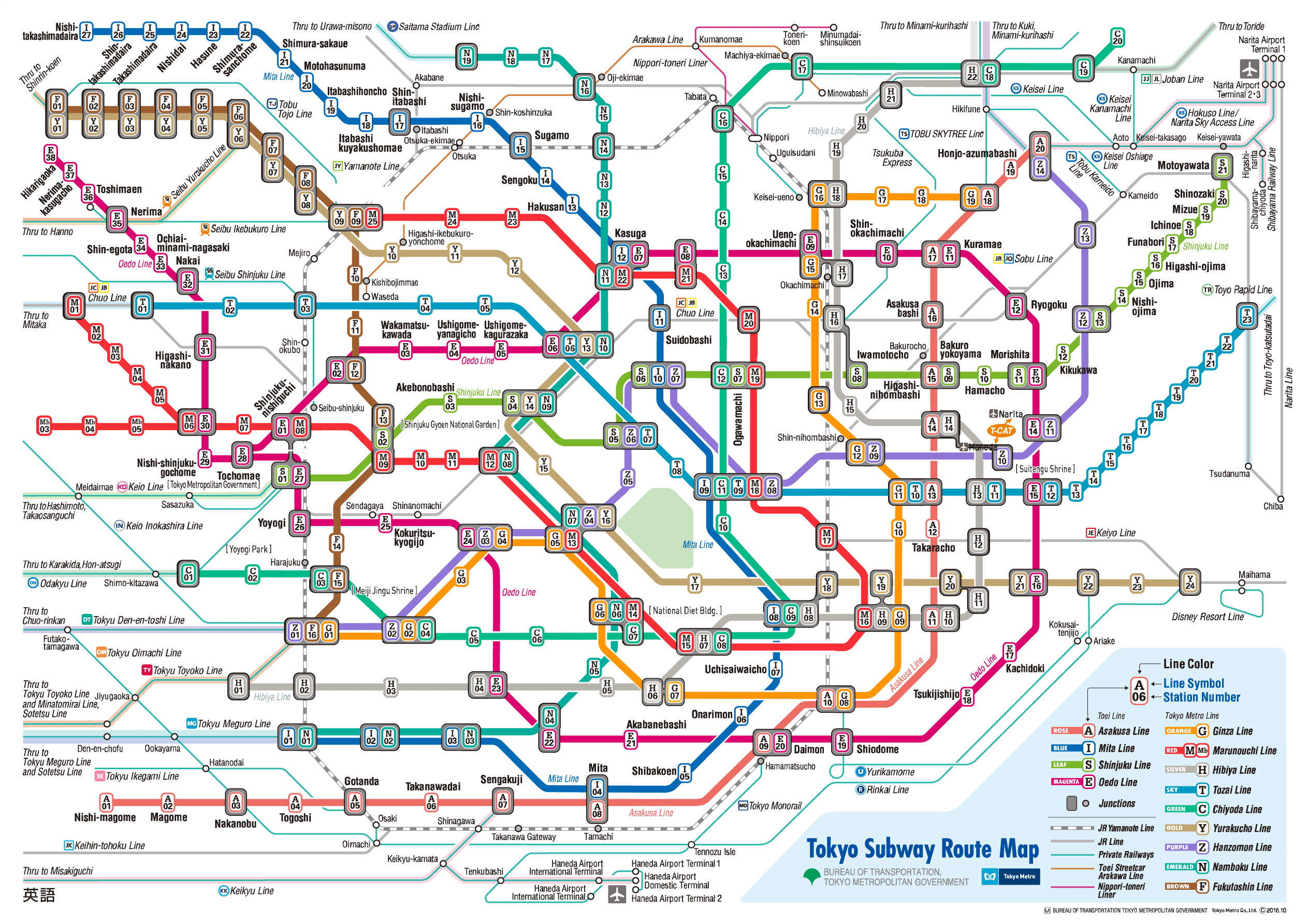
The cheapest and most efficient form of transportation in Japan is generally the subway and trains. Despite being crowded during rush hours, the Japanese remain organised and I didn’t experience any unpleasant pushing or harsh behaviour. ( a small tip: keep your phone on silent and if you see any pregnant women, children, or elderly, give up your seat! It’s the law! )
Tokyo subway stations generally operate between 5:00 am to 1:00 am. Trains are extremely punctual and they run every 3 minutes and every 10 minutes or less during the early mornings and late nights. Train tickets can be purchased in vending machines inside the train station.The tickets cost from 110- 310 yen, depending on the distance. Each rail company has slightly different pricing systems. On a small note, make sure to keep your belongings in a safe place to avoid pickpocketing.
Either than using trains to get around Tokyo, taxis would also be a good way to get around the city. People mostly use an app called ‘Uber’. It is an easier alternative to get around the city because you wouldn’t need to wait for a long time to get a ride and the drivers are normally well mannered and have a clean car. Even though Uber can be pricier than a regular taxi, it would definitely be worth a ride.
Places to Stay
During my stay in Tokyo, I made sure to look for the most affordable hotels that were in suitable areas, as well as being unique and providing me with a fun and interesting experience. My friend who had recently gone to japan recommended futon hotels, which provide cheap rooms where guests can experience the traditional ‘tatami’ which is a straw mattress that was surprisingly comfortable.

Cyashitsu Ryokan Asakusa
Staying here was an eye opening experience for me. It’s the perfect definition of a Japanese traditional inn. Furthermore, it only cost 12000yen for night and was located near several famous historical tourist sites such as Nitenmon Gate and Honryuin Matsuchiyama Shoden.

Hotel Zen Tokyo
If you’re looking for something more modern and unique, this is a capsule hotel with an ‘urban ryokan’ theme. Decorated with the Japanese principle of wabi-sabi (explain), this hotel is perfect for those who wish to experience the urban Japanese way of living. Beginning at 4049yen per night, this hotel is not only stylish, but affordable as well.
Tourist Attractions
-Family

Tokyo Disneyland
This magical resort is the best place to go if you are visiting Tokyo with your children. At 115-acres, it is a large establishment and the first ever Disney theme park outside the U.S. Modelled after the famous Disney Resort in California, it consists of seven themed-lands children will love and has many seasonal events as well. Online booking is available for Disneyland Japan 1 day pass and Disneysea Japan tickets.
Opening Hours: 08:30am – 10:00pm
Transportation: Tokyo Metro: Yurakucho Line – Shin kiba Station. Change to JR Line Train
-Tradition

Nezu-Jinja Shrine
This shrine was one of the most peaceful places I’ve ever been. I was enthralled by its breathtakingly picturesque lush greenery and koi ponds. Built at the foot of a hill on the border of Bunko and Taito Wards, the shrine was founded 1,900 years ago by Yamato Takeru no Mikoto – a priest, and was built by orders of Tokugawa Tsunayoshi – a shogun during the Edo Period of Japanese history. You can walk alongside the many varieties of beautiful azaleas (a spring-time flower).
Opening Hours: 6:00 – 17:00
Price: Free
-Adventurous

Akigawa Keikoku Valley
For the more adventurous types, the Keikoku Valley is one of Tokyo’s most therapeutic nature getaways with fishing spots, trekking trails and other outdoor activities such as camping in log houses or tents, and riverside barbecuing – so you can cook the fish you catch! The valley is especially spectacular during autumn, when the verdant greenery morphs into shades of orange and yellow.
Opening Hours: 24 hours
Price: Free
Shopping
As a shopaholic, Tokyo didn’t disappoint! There are several popular shopping districts and neighbourhoods that I really enjoyed and literally, “ shopped ’till I dropped’!
-Harajuku
Harajuku was my personal favorite, being filled with youths and the latest fashion trends. There were also countless aesthetically pleasing cafes that offered delicious snacks for you to grab while shopping in harajuku. It is known as Tokyo’s home of fashion. It’s a popular spot for young teenagers and you’ll be able to see many of them dressed as anime characters!


-Akihabara
Akihabara is the largest shopping spot for electronics, books, stationeries and toys. It is bigger and longer than harajuku and have several large department stores offering a wide variety of local and international products.

-Shinjuku
Shinjuku is not only Japan’s busiest station, it is also a great place for shopping and offers many high-end brands. It also has many trendy clothing stores and delicious cheap restaurants.

Food
Japan sure does have a lot of interesting and scrumptious food, and it was definitely a highlight of my trip! I tried as many local Japanese food as my stomach could consume so id like to think that I have a pretty good idea on what foods to enjoy in Japan. Here are just a few of my absolute favourites!

Sushi
Sushi has become the symbol of the Japanese cuisine. You can surely find a tremendous amount of Japanese restaurants that have sushi from all around the world but sushi in Japan is by far the best. You can try it in so many different processes. If you ever have the chance to visit a fish market in Tokyo, you should try their freshest sushi with ingredients taken directly from the market. Salmon and Tuna were my personal favourite!

Takoyaki
Takoyaki is a Japanese octopus cake. It is usually served with fried fish, Takoyaki sauce and chopped green onion. After lining for 30 minutes to try the famous Takoyaki from a food stall in Harajuku, I have to say, I’m hooked!

Karaage
Karaage is the Japanese version of fried chicken. It is really crispy on the outside and juicy on the inside. This is made by slightly coating small pieces of meat with a seasoned wheat flour and frying it in light oil. I personally prefer Karaage over my local fried chicken due to the fact that its slightly more healthy and perfectly bite-sized!

Mochi
Mochi is a Japanese rice cake that is filled with a thick paste. There is a huge variety of flavours such as red bean, matcha and peanut butter. Mochi is a traditional food for the Japanese New Year and is commonly eaten during that time but it also can be eaten all year round. It’s the perfect desert and guilty pleasure! I bought some home for my sister and she absolutely loved it !
Tips on eating in a Japanese restaurant:
- Make sure to have a look out for WiFi because they are free.
- Make sure to be prepared to look at menus because they might not have any English translation.
- If staff in restaurants greet you when you enter the restaurant, you don’t necessarily need to greet them back.
Saying goodbye
Tokyo was definitely an eye opening experience for me in terms of the Japanese tradition and gave me a whole new perspective on this amazing city. I wonder when I’ll be able to return? I really hope this guide was helpful to you and I hope you’ll enjoy your experience in Tokyo just as much as I did!
Until the next destination!

(っ◔◡◔)っ ♥ written by: Alicia, Eniola and Hillary ♥
 I love coffee and homework