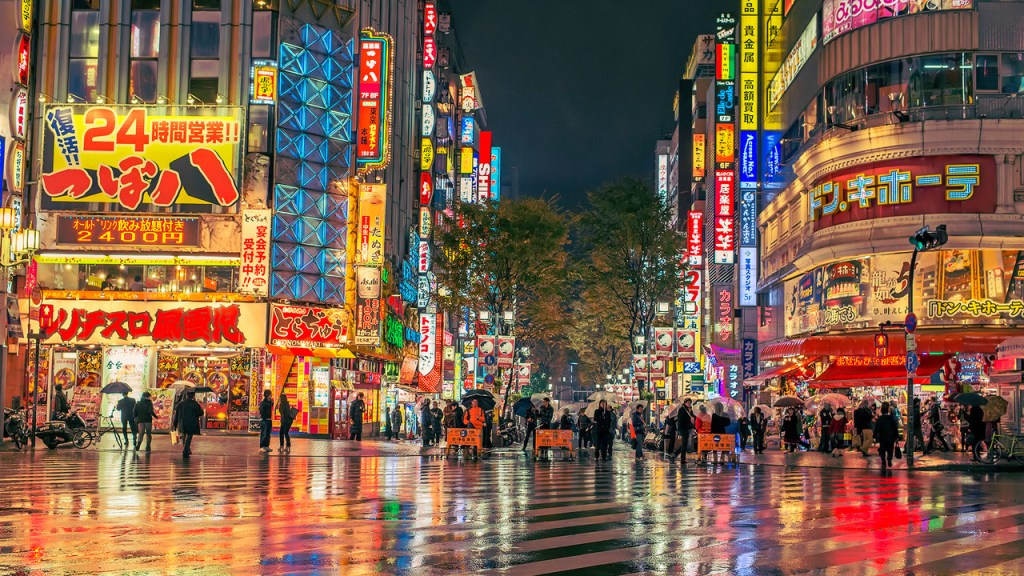
Visit the world of Seoul, Korea

Seoul is the capital of Korea,and is one of Asia’s coolest cities to explore. With their amazing technology, strong economy and vibrant culture( I’m sure that most of you have encountered K-pop, K-drama, korean cosmetics and korean food at least once in your life) it manages to capture the attention of many people every year! Seoul has a lot to offer when it comes to tourism, but is it really worth your money? Before visiting Seoul, here are some things you would want to know about that city.

Image result for seoul

Things to know when before you go to Seoul 

  • What to wear in Seoul- Seoul has very extreme seasons, from -20°C in the winter to 40°C in the summer, so make sure you pack the right clothes to wear for the right season.
  • Seoul power adapter-  make sure you bring the right power adapter because it would be unfortunate for you to not be unable to charge your electrical devices.
  • Tipping culture- tipping in the whole of South Korea isn’t a thing, they are most likely reject your tip 

Food

There are many types of food in Seoul and most of them are spicy. Here I will recommend 10 foods that I think are really delicious.

  1. Kimchi
  • Is a famous food that is a bit spicy and is made with gochujang, a red pepper paste.
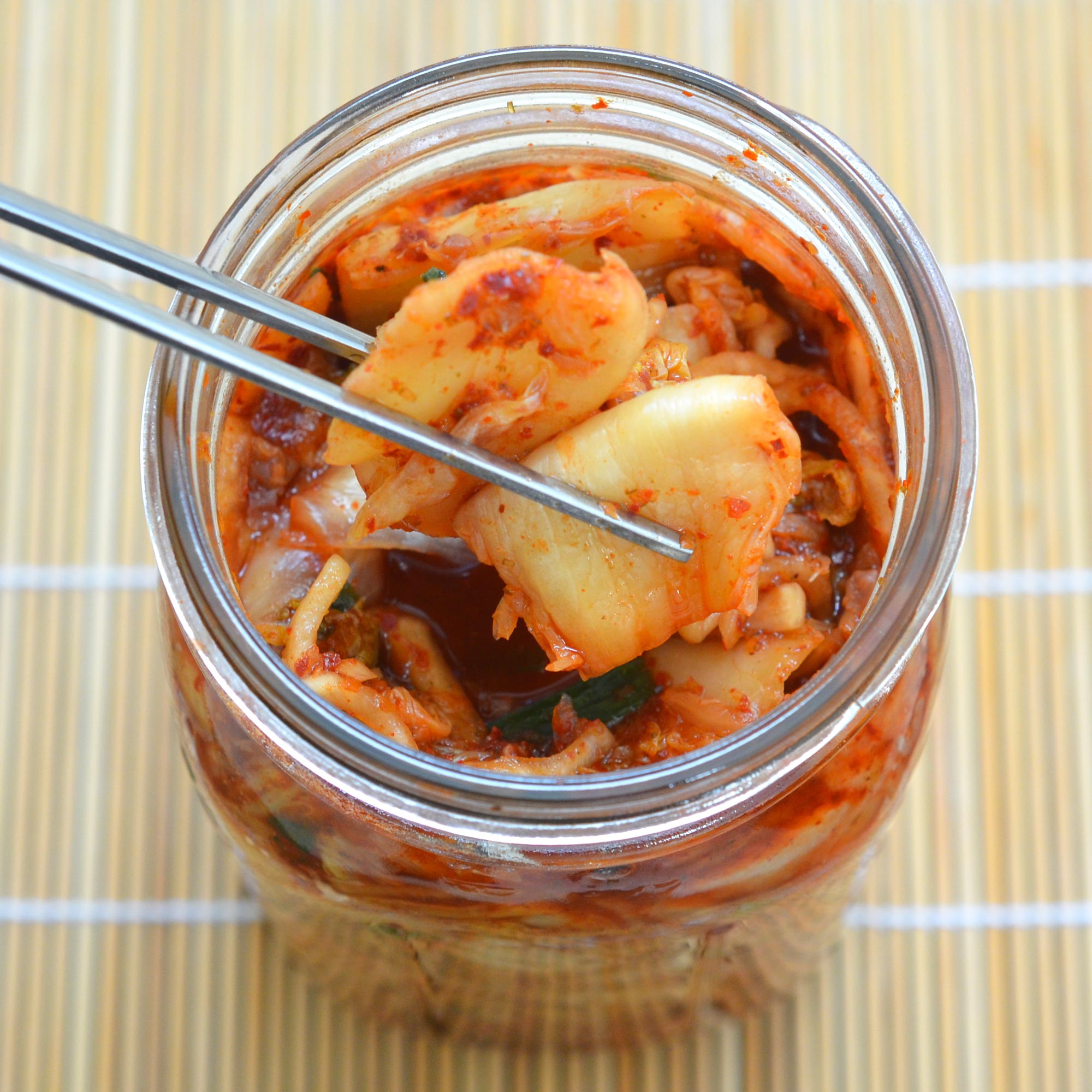
Image result for kimchi
  1. Tteokboki, 
  • Its is made of rice cakes and fish cakes
  • It’s very cheap and it’s delicious. It can be a snack to fill you up and you can find it in a lot of places like restaurants, stalls at the side of the street, markets, etc.
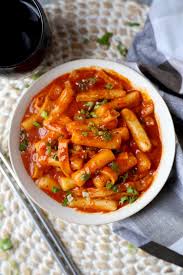
Image result for tteokbokki
  1. Korean barbecue
  • it may be expensive at some places but in my opinion it’s worth it.
  • its like a normal barbecue but they use different sauces and the way they cooked it is extremely different from normal barbecue. They put in some sauce and they only grill it.
Image result for korean bbq
  1. Hoetteok
  • it’s a pressed caramelized peanut pancake. It’s fried and you can get it in markets. It’s quite cheap and it’s known for being a snack for sweet tooths.
Image result for hotteok
  1. Samgyeopsal
  • It’s halal since it’s grilled pork belly and it’s a very famous type of gui (a pronunciation of a grilled dish) in Korea
  • The pork belly is barbecued green onions, soy sauce, sugar, sesame seeds, sesame oil and hot pepper flakes.
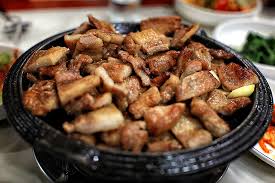
Image result for Samgyeopsal
  1. Bulgogi
  • it’s beef in korean and it’s very famous in Seoul. it’s in most on the dishes and it’s very healthy for you because it contains protein, vitamins, minerals, has a rich source of iron and it improves muscle growth.
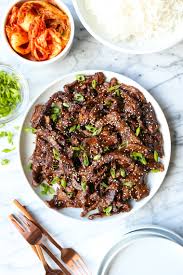
Image result for bulgogi
  1. Japchae
  • it’s stir-fried glass noodles with spinach,carrots, scallions, soy sauce, sugar and fresh shiitake mushrooms
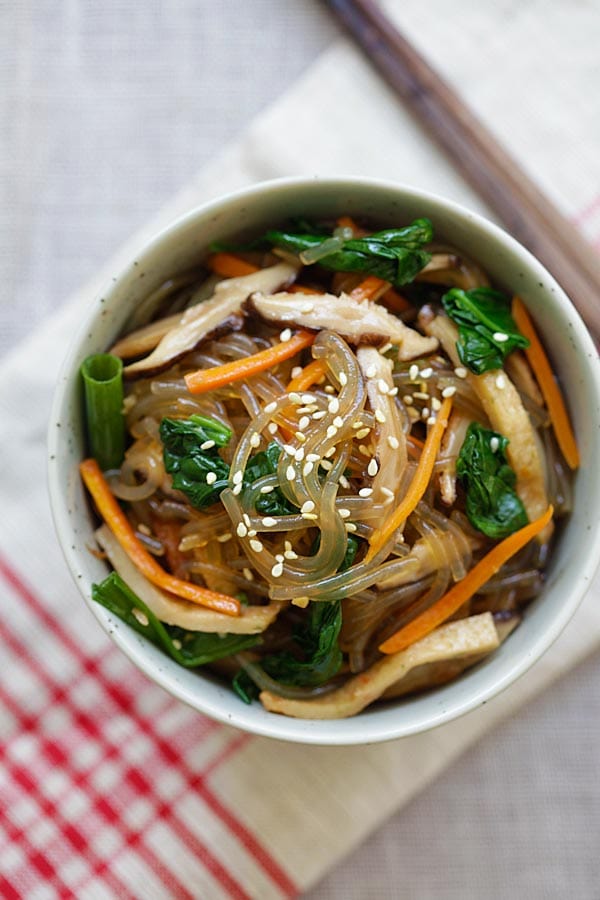
Quick and easy Korean Japchae recipe.
  1. Bibimbap
  • it’s a korean rice dish and a mix of various ingredients like beef, kimchi, egg, etc. It’s topped with gochujang, soy sauce or doenjang

Image result for bibimbap korean food
  1. Jjajangmyeon
  • Korean style chinese noodles. its originally from korea but it’s similar to a chinese noodle called Zhajiangmian
  • It contains chunjang, diced pork and vegetables
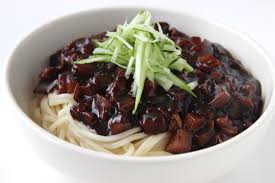
Image result for Jjajangmyeon
  1. Juk
  • a korean chicken porridge
  • it’s known for breakfast or a light meal
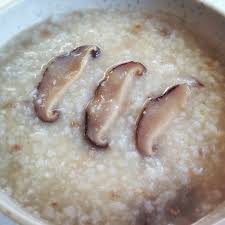
Image result for Juk

Tourist Attractions

Get tickets for the most exhilarating amusement park in Everland Seoul. You can experience the wooden roller coaster and otger fun rides. Get a chance to experience with adorable pandas at Panda World. Experience the habit or even interact with different zoo animals. The young ones will love the Snow Buster to enjoy a great sledding experience. The tickets to snow buster cost RM 107.65.
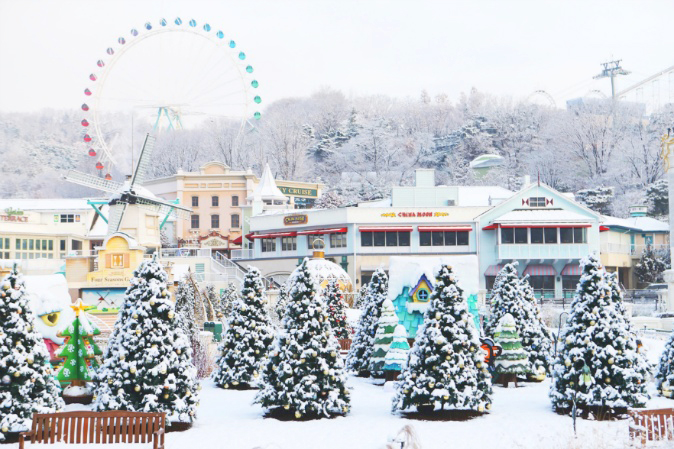
Image result for everland korea

Visit famous places around Seoul in a beautiful traditional Hanbok of South Korea with the Oneday Hanbok rental in Seoul. You are able to choose from a wide variety of sizes and designs with accessories to complete the traditional look. It is characterized by vibrant colors ,simple lines without pockets and dynasty artworks. It is similar to the traditional costume in the Jeongseon dynasty. You can rent it from 4 hours to 24 hours for RM58.
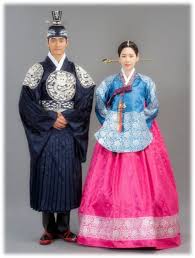
Image result for traditional hanbok costume of korea

Get ready to enter another dimension of original Augmented Reality (AR) artworks in Trickeye AR Museum in Seoul for RM44.25 over 100 different optical illusion artworks to let your imagination soar and snap some hilarious pictures.
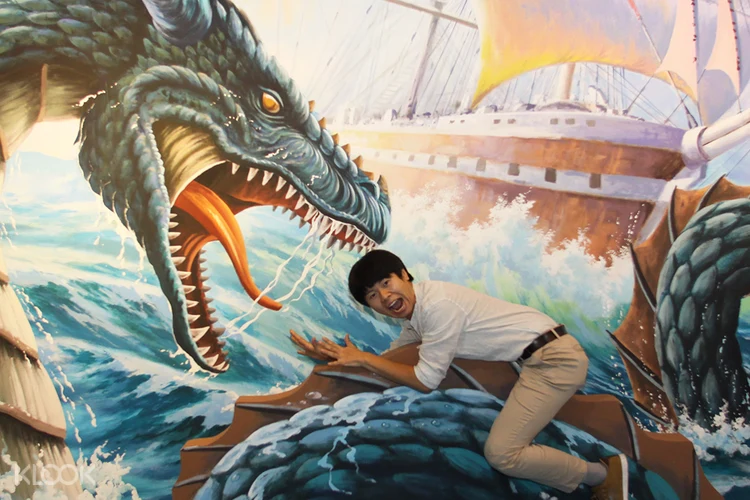
Image result for Trickeye AR Museum

Get to see the city of Seoul in the N Seoul Tower. It is located at the top of Mt. Namsan and unbelievable view of entire Seoul You can see the busy roads, lifestyle of people, fashion of Seoul.
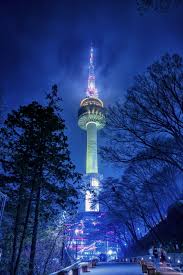
Image result for n seoul tower

Transportation

There is an app called NaverMAP (iOs/Andriod). You can use it to search for your day-to-day routes and it will show you the fastest way to get there.

  • By subway and bus

Seoul’s subway and bus systems are well-connected and cheap. You can also T-money card which is a card that you can recharge and use it to pay your bus and subway fees. The card can also be used in other parts of South Korea.

  • By taxi

There are many types of taxis in Seoul but I recommend that you book an Uber.

Locations 

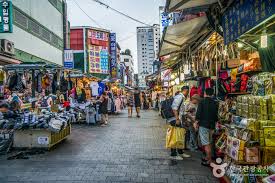
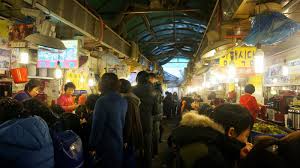
These locations are for some famous restraunts and markets to visit in Korea. 

  1. Namdaemun Market
  • Namdaemun Sijang 4-gil, Jongno-gu, Seoul
  • Hoehyeon Station exit 5
Image result for Namdaemun Market
  1. Hansunja Kalguksu
  • 39-1, Namdaemunsijang 4-gil, Jung-gu, Seoul
  • Hoehyon Station Exit 5
Image result for Hansunja Kalguksu
  1. Piggy Bank Stone Grill Korean BBQ Restaurant
  • 331-1 Seokyo-Dong
  • Mapo-gu, Seoul, South Korea
  • Hongik University/Hondae Station exit 8
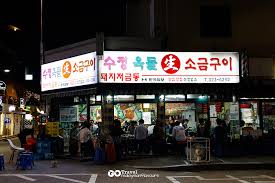
Image result for Piggy Bank Stone Grill Korean BBQ Restaurant
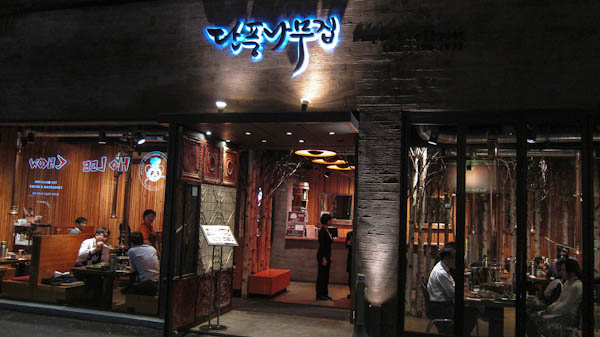
  1. Maple Tree House Itaewon branch
  • Hamilton Hotel 2F, 116-1 Itaewon-ro 27ga-gil, Yongsan-gu, Seoul
  • Itaewon Station
Image result for Maple Tree House Itaewon branch

Hotels

Every trip you go, you need a place to stay so these are some famous hotels that are cheap and luxurious

  1. StayB Hotel Myeongdong 
  • It’s RM193(for now) for a night
  • It’s a four star hotel
  • It has bright rooms and suites featuring a restaurant, gym and a rooftop lounge
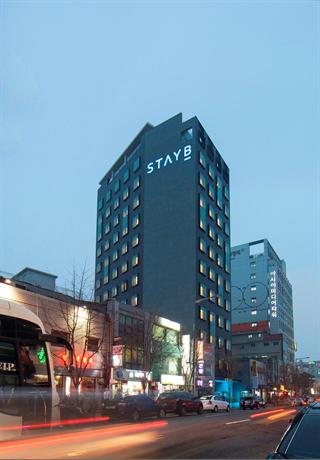
Image result for StayB Hotel Myeongdong
  1. K-POP HOTEL Seoul Tower
  • It’s RM95(18% less than usual) for a night
  • There’s a cafe, a shared kitchen, free breakfast and Wi-Fi
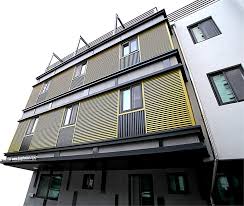
Image result for K-POP HOTEL Seoul Tower
  1. Seoul N Hotel Dongdaemun
  • A three star hotel
  • RM122 for a night
  • The rooms are in a contemporary hostel giving free breakfast and Wi-Fi
Image result for Seoul N Hotel Dongdaemun
  1. Hotel Icon
  • A 3-star hotel
  • RM99 for a night
  • It is similar to K-POP HOTEL Seoul Tower
Image result for Hotel Icon korea
  1. RAMADA ENCORE BY WYNDHAM SEOUL DONGDAEMUN
  • A 4-star hotel
  • RM138 for a night
  • It’s also similar to K-POP HOTEL Seoul Tower
Image result for ramada encore by wyndham seoul dongdaemun

Internet connection 

South Korea has the fastest internet connection in the world and most places offer free wifi. But if you want to stay connected for your whole trip in Seoul i would recommend that you get pocket wifi or a sim card.

Image result for wifi

Seasons

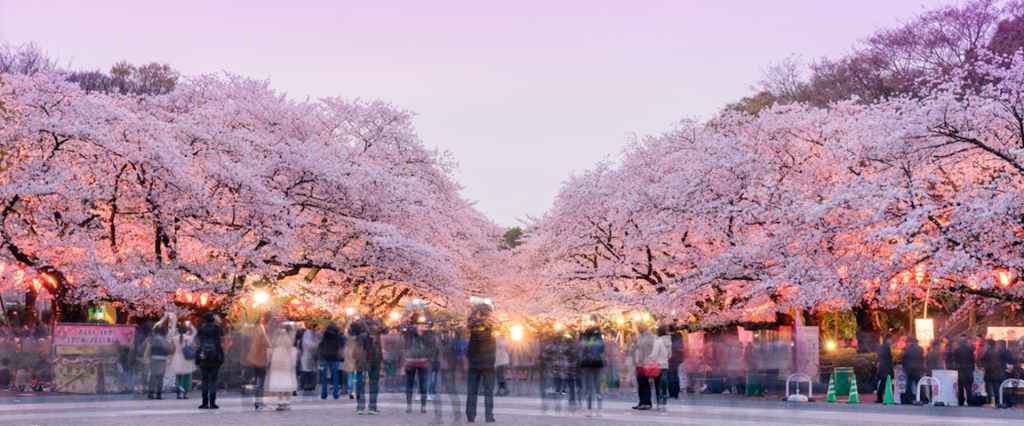
The best times to visit Korea is during spring(April, May and June) and during autumn(September, October and November). These two seasons are sunny and have an average temperature which isn’t too hot nor too cold.
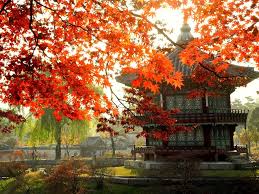
Image result for best season to visit korea
Korea during autumn
Image result for weather in korea during spring
Korea during spring

Help Korean Phrases

  • Hello (formal)- Annyeong haseyo 
  • Hello (informal)- Annyeong
  • Thank you- Gamsahamnida
  • You’re welcome- Cheonmanyeyo
  • Yes- Ye/Ne
  • No- Aniyo
  • Goodbye (to the person leaving)- Annyeonghi gaseyo
  • Goodbye (to the person staying)- Annyeonghi gyeseyo 
  • Goodbye (informal)- Annyeong
  • Excuse me- Sillyehamnida
  • I’m sorry- Joesonghamnida
  • Is there someone here who speaks English: Yeogi-e yeong-eoreul hasineun bun hyesimnikka?
  • Help!- Dowajusipsio 

Conclusion

5 sleepless days of walking around the small yet complicated city of Seoul definitely wasn’t a regret. I have definitely managed to capture so many moments that I have gone through in Seoul that would be in my heart forever. I will not forget the high technology in Seoul and all the kind strangers that i have met there. there is always someone to help me when i was lost. I am going home but I definitely come back to Seoul again.

Image result for seoul

Adventure In Busan 🇰🇷

I guess mostly everyone knows about or at least heard about Busan as it is a well known city because of the movie “Train To Busan”. We all imagined Busan as this scary, deserted, creepy city and I myself went there with the same mindset with everyone but turns out Busan is a beautiful city to visit with many exciting places to explore. And here is the “Guide for traveling in Busan”.

Top 5 places to visit

There are many places to explore in Busan and here are some of my “must visit” places when I go to Busan.

  1. Taejongdae

If you are more of a sporty person you may prefer Taejongdae as it is a beautiful mountain facing the open sea where you can hike through and get a break from the busy cities and learn to appreciate and enjoy nature. There are multiple exciting facilities such as an amusement park, lighthouse and a cruise ship terminal. 

Open hours: 4:00 AM – 11:59 PM

Entrance fee free of charge

2.) Gwangbok Dong food street


Gwangbok Dong food street is one of the most popular places in Busan. You can get to try their local food at a very cheap price . Generous street merchants make this street one of the popular spots among international tourists. In this street you may find more than 20 restaurants with over 60 years of history .

Open hour: 09:00AM- 10:00PM

Entrance fee free of charge 

  1. Gamcheon Culture Village

Gamcheon Culture Village is the most beautiful and colourful village in Busan. This village is formed by houses built in staircase-fashion on the foothills of a coastal mountain .The houses in this village are all painted in different colours .  The tiny streets and steep staircase leads you to street art with public sculptures that are scattered throughout the village.

Open Hours: ( March – November ) 09:00AM – 06:00PM

                         (December – February ) 09:00AM – 05:00PM

Entrance fee free of charge

  1. Haeundae Beach

The most famous beach in Busan. During summer, people head to Haeundae beach to relax . You can enjoy the sea sports for example boating, silling, kiteboarding, surfing and swimming . Not only is the morning crowded , during night time there’s a lot of activities too. 

Open hours: 09:00AM – 06:00PM

  1. Haedong Yonggung Temple

Haedong temple is one of the most impressive Buddhist temples in South Korea . This temple is actually a popular spot when the cherry blossoms bloom around April . On Buddha’s birthday, it will be decorated with hundreds of paper lanterns. Haedong Yonggung is on the northeast coast of Busan city, 6 KM northeast of Haeundae, the city’s most famous beach.

Open Hours: 05:00AM – 07:00PM

Entrance fee free of charge

Busan average travel costs

Accomodation – the average cost for the hotel is 300 Ringgit Malaysia per night, there is usually wifi in each hotel in Busan. Even in budget hotels, there are many facilities with clean and comfortable rooms

Food – you will spend around 66 Ringgit Malaysia on food and drinks per day, the food in busan are all cheap yet delicious and convenient. The breakfast there is a little much cheaper than lunch and dinner. One bottle of water that you can buy in a convenient store will cost up to 3.22 Ringgit Malaysia

Transportation – if you use the local transportation or either taxi, you will use up to 22 Ringgit Malaysia per day

Total average cost per day in Busan – 390 Ringgit Malaysia

Currency in Busan 

Busan, despite it being the second biggest city in South Korea, the prices are surprisingly affordable. You can definitely explore Busan while being on a budget. There are many admission free attractions and things to buy which are relatively cheaper compared to Seoul.

The whole of South Korea uses the same currency which is:

I MYR = 287.370 KRW

Common phrases to learn 

By going to Busan, it is a place where everyone speaks a completely different language. So here are some of the common phrase I feel that you should learn before doing to Busan, to have a smooth travel.

  • The basic greetings 
  • 안녕하세요 (ahn-nyung-ha-se-yo) — Hello
  • 반갑습니다 (bahn-gap-seup-ni-da) — Nice to meet you
  • 어떻게 지내세요? (uh-dduh-keh  ji-neh-seh-yo?) — How are you?
  • 잘 지내요 (jal-ji-neh-yo) — I am good
  • 감사합니다 (gam-sa-ham-ni-da) — Thank you
  • Finding your way around
  • 왼쪽 (oen-jjok) / 오른쪽 (oh-reun-jjok) / 직진 (jik-jjin) — left / right / straight
  • 영어 할 수 있어요? (yung-uh  hal su-eet-suh-yo?) — Do you speak English?
  • _____ (으)로 가주세요 (ih-roh  gah-ju-seh-yo) — Please take me to _____
  • 영어 할 수 있어요? (yung-uh  hal su-eet-suh-yo?) — Do you speak English?
  • 화장실이 어디예요? (hwa-jang-shil-ee  uh-di-eh-yo?) — Where is the bathroom?
  • Others 
  • 얼마에요? (uhl-mah-eh-yo?) — How much is it?
  • 도와주세요! (doh-oah-ju-seh-yo!) — Help!

Transportation in Busan

There are many types of transportation in Busan that makes travelling so much easier. It is very affordable and you can get to your designated place on time.

  1. Taxi
  • All taxi drivers would be glad to be your tour guide, taking you to all the scenic routes.
  • Although, most taxi drivers don’t speak English. So you might want to translate the place you’re going 
  • One more important thing is that there’s no tipping in South Korea. It is considered rude and makes you seem arrogant.
  1. Subway
  • The subway is the most convenient way to get around
  • The stations have been translated into 3 languages: English,Chinese and Korean to prevent you from getting lost
  • It may get crowded during weekdays as both students and adults take the subway to go to work or school, so you might not be able to find a seat so easily 
  1. Bus
  • There are two buses: one for Busan city stops and another for longer journies
  • It can also tend to be crowded
  1. Train
  • There are two types of trains
  1. Normal train 
  2. KTV bullet train 
  • The KTV bullet train costs about 10 Ringgit Malaysia more than the normal train but you get to your destination faster and there’s a great view 

Food to eat in Busan

  1. Dwaeji Gukbap

It is a popular soup in South Korea . This soup is boiled with pork, soy sauce, miso, rice wine, sesame oil and bone broth . Korean people normally eat this with rice . Dwaeji Gukbap started as a poor man’s dish, dating back to the korean war in 1950’s, when refugees from North Korea used to prepare it with beef. So this food has become a popular local dish, especially in Busan. 

  1. Ssiat Hotteok 

This food has become popular after Lee Seong Gi showed himself eating this in the TV show called “1 Night 2 Days”. The seeds are stuffed inside the dough and is cooked in the hot oil so it has more flavour and tastes less greasy. The seeds and sugar are mixed together between the dough. 

  1. Eomuk

Eomuk is made by frying mashed fish meat with flour, egg and salt . It is one of the winter snacks to eat during winter. It is popular for its low price and high availability on the street

  1. Milmyeon

The noodles in milmyeon are long and super thin. The noodles are mixed with sweet potato, potato with meat broth, cucumber and egg. During summer, everyone loves to eat this noodle because it is very cooling when you eat it.

Places / hotels to stay in Busan

  1. Westin Chosun

The Westin Chosun is located right next to the Dongbaek peninsula and the rooms facing the front have excellent ocean views. It is a 5 star hotel with luxurious rooms. All members of the staff are friendly and helpful. There’s variety of dining options, free wifi, free parking, swimming pool and many other facilities.

Price per night : 1178 Ringgit Malaysia

  1. Hotel Kyungsung

Hotel Kyungsung lies in a good location near the subway station and there are many restaurants and bars in the neighborhood. The rooms are all clean and comfortable with friendly and forthcoming staff. You can get a really great view from the rooftop bar.

Price per night : 320 Ringgit Malaysia

  1. Nampo Wa Hotel

It is well-positioned in Jung-gu, Nampo Wa Hotel is the ideal point of departure for your excursions in Busan. Only from the city center, the hotel’s location ensures that guests can quickly and easily reach many local places. With its convenient location, the hotel offers easy access to the city’s must-see destinations.

Price per night : 263 Ringgit Malaysia

I suggest that if you are on a budget, book your hotels online as it will be cheaper (mostly below 200 Ringgit Malaysia)

Best Time To Visit Busan

The best time to visit Busan is during Autumn . Autumn in Busan lasts from September to November. The temperature ranges from 13 degree celsius to 27 degree celsius. It is a perfect temperature for exploring the city. Soothing and ideal for biking around town, going for hikes or just walking and exploring. You can also take a lot of pictures with a colourful background .

Seven days of vacation in Busan and I have already truly fallen in love with this amazing city, Busan is definitely worth it for everyone to visit as it is a really affordable place to go (cheaper than the other cities in South Korea), less crowded yet full of fun and excitement. I personally think that Busan is better than other cities in South Korea. So why go to other places where you can come to Busan!

𝕋𝕠𝕜𝕪𝕠: 𝕄𝕪 𝕁𝕒𝕡𝕒𝕟𝕖𝕤𝕖 𝔾𝕖𝕥𝕒𝕨𝕒𝕪

A short introduction

Tokyo was a surprising city, and i say that with love! A land of colourful neon signs and amazing food that made me feel as if i was in a picturistic movie. Its never ending buzz and vibrancy is something that ill never forget! Its a city of excitement and i left feeling satisfied yet i had already begun to dream about the next time i would return! 

A place that generally started as a fishing village, has gradually evolved into one of the most famous tourists spots, filled with exciting streets and unique culture. 

But alas, all trips have some sort of stress when planning a week of smart spending and estimating budget. So here are my tips and suggestions when travelling to the centre of the land of the rising sun!

Image result for tokyo beautiful

Overall budget and spending 

For my seven day trip to Tokyo, I managed to stay in my budget of RM5000 and spent a total of RM4500 including shopping and food! A helpful tip on saving costs, I recommend you prebook hotels at least a month before your trip. Buying a full-day pass for the subway also saves up to 500yen a day!

I spent about RM1000 on food and shopping; it was so interesting to see the wide variety of cheap and delicious japanese food under 800yen.

The best time to visit Tokyo

In terms of cutting cost, I travelled to Japan during the month of august, where plane tickets, as well and hotel costs were the cheapest. I don’t recommend going in December unless you’re planning to go skiing. Air tickets during that time are costly due to it being a holiday for most countries. If you love the springtime or want to see the beautiful sakura trees, you may need to spend slightly more on your air ticket and overall accommodations. 

I spent about RM1000 on food and shopping; it was so interesting to see the wide variety of cheap and delicious japanese food under 800yen.

Credit cards and cash 

Many smaller spots in Tokyo don’t accept cards, so it better to carry some cash with you. ATMs can be found in most 7-Elevens, so making a quick stop there for cash won’t be a problem!

Internet Access 

I also recommend downloading a QR reading app as most shops provide QR codes to access free internet. There aren’t many places that offer free wifi so save yourself the inconvenience by getting a sim card ( around RM40 for 7-day-unlimited data )

Language

Based on my 7-day experience, most people in Tokyo have a limited vocabulary in English, but the 2020 olympics are approaching, more signboards in english have begun to pop up. If you have trouble getting your point across, don’t worry. Japanese are generally very friendly and helpful. Be patient and make use of google translate! 

Getting around Tokyo

The cheapest and most efficient form of transportation in Japan is generally the subway and trains. Despite being crowded during rush hours, the Japanese remain organised and I didn’t experience any unpleasant pushing or harsh behaviour. ( a small tip: keep your phone on silent and if you see any pregnant women, children, or elderly, give up your seat! It’s the law! )

Tokyo subway stations generally operate between 5:00 am to 1:00 am. Trains are extremely punctual and they run every 3 minutes and every 10 minutes or less during the early mornings and late nights. Train tickets can be purchased in vending machines inside the train station.The tickets cost from 110- 310 yen, depending on the distance. Each rail company has slightly different pricing systems. On a small note, make sure to keep your belongings in a safe place to avoid pickpocketing.


Image result for tokyo subway station
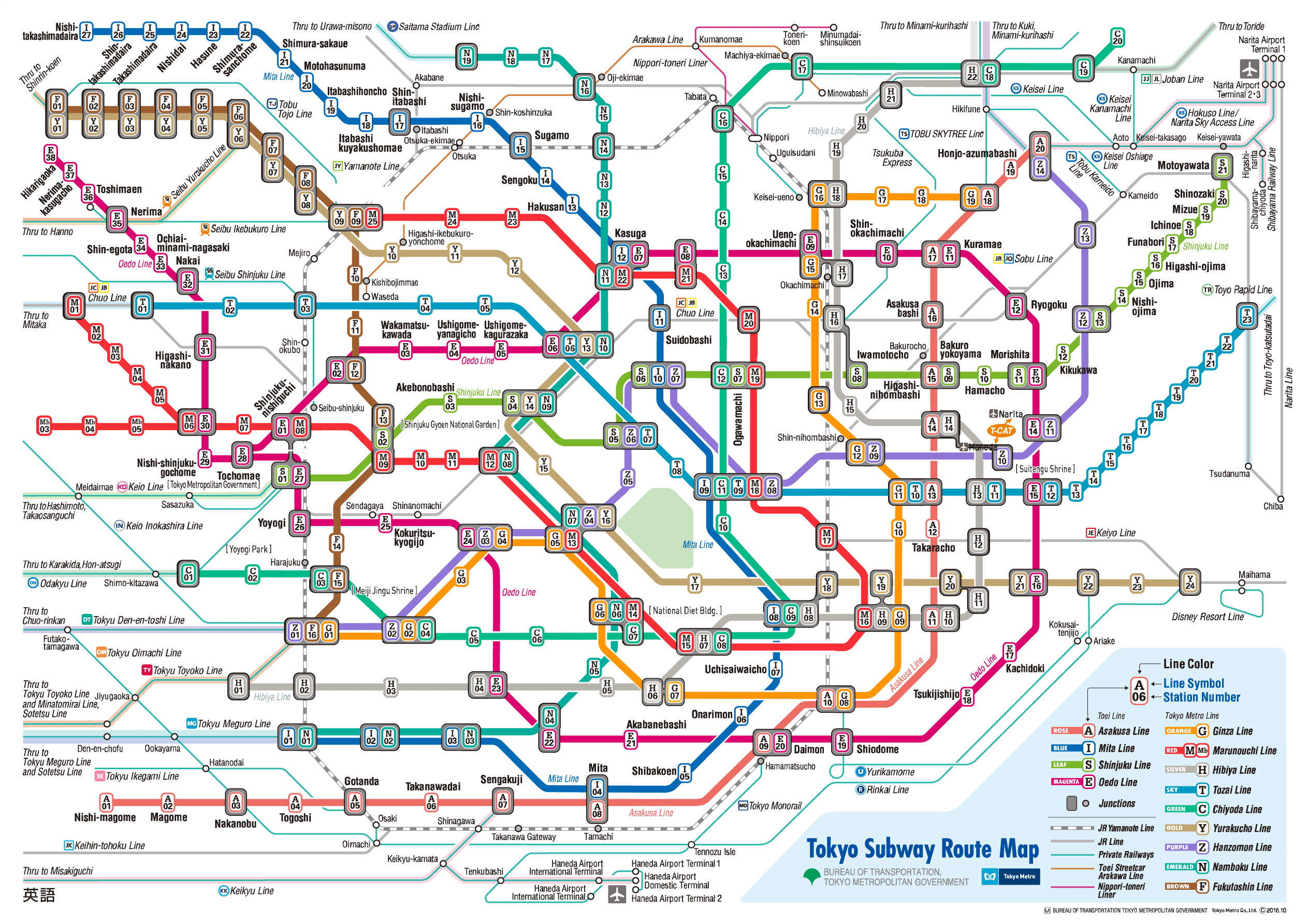
a guide to Tokyo’s metro line

Either than using trains to get around Tokyo, taxis would also be a good way to get around the city. People mostly use an app called ‘Uber’. It is an easier alternative to get around the city because you wouldn’t need to wait for a long time to get a ride and the drivers are normally well mannered and have a clean car. Even though Uber can be pricier than a regular taxi, it would definitely be worth a ride. 

Places to Stay

During my stay in Tokyo, I made sure to look for the most affordable hotels that were in suitable areas, as well as being unique and providing me with a fun and interesting experience. My friend who had recently gone to japan recommended futon hotels, which provide cheap rooms where guests can experience the traditional ‘tatami’ which is a straw mattress that was surprisingly comfortable. 

Cyashitsu Ryokan Asakusa 

Staying here was an eye opening experience for me. It’s the perfect definition of a Japanese traditional inn. Furthermore, it only cost 12000yen for night and was located near several famous historical tourist sites such as Nitenmon Gate and Honryuin Matsuchiyama Shoden.

Hotel Zen Tokyo

If you’re looking for something more modern and unique, this is a capsule hotel with an ‘urban ryokan’ theme. Decorated with the Japanese principle of wabi-sabi (explain), this hotel is perfect for those who wish to experience the urban Japanese way of living. Beginning at 4049yen per night, this hotel is not only stylish, but affordable as well.

Tourist Attractions

-Family 

Tokyo Disneyland

This magical resort is the best place to go if you are visiting Tokyo with your children. At 115-acres, it is a large establishment and the first ever Disney theme park outside the U.S. Modelled after the famous Disney Resort in California, it consists of seven themed-lands children will love and has many seasonal events as well. Online booking is available for Disneyland Japan 1 day pass and Disneysea Japan tickets.

Opening Hours: 08:30am – 10:00pm

Transportation: Tokyo Metro: Yurakucho Line – Shin kiba Station. Change to JR Line Train

-Tradition

Nezu-Jinja Shrine

This shrine was one of the most peaceful places I’ve ever been. I was enthralled by its breathtakingly picturesque lush greenery and koi ponds. Built at the foot of a hill on the border of Bunko and Taito Wards, the shrine was founded 1,900 years ago by Yamato Takeru no Mikoto – a priest, and was built by orders of Tokugawa Tsunayoshi – a shogun during the Edo Period of Japanese history. You can walk alongside the many varieties of beautiful azaleas (a spring-time flower).

Opening Hours: 6:00 –  17:00

Price: Free

-Adventurous

Akigawa Keikoku Valley 

For the more adventurous types, the Keikoku Valley is one of Tokyo’s most therapeutic nature getaways with fishing spots, trekking trails and other outdoor activities such as camping in log houses or tents, and riverside barbecuing – so you can cook the fish you catch! The valley is especially spectacular during autumn, when the verdant greenery morphs into shades of orange and yellow.

Opening Hours: 24 hours

Price: Free

Shopping 

As a shopaholic, Tokyo didn’t disappoint! There are several popular shopping districts and neighbourhoods that I really enjoyed and literally, “ shopped ’till I dropped’!

-Harajuku

Harajuku was my personal favorite, being filled with youths and the latest fashion trends. There were also countless aesthetically pleasing cafes that offered delicious snacks for you to grab while shopping in harajuku. It is known as Tokyo’s home of fashion. It’s a popular spot for young teenagers and you’ll be able to see many of them dressed as anime characters!

The busy streets of Harajuku
young Japanese teens dressed in cosplay

-Akihabara

Akihabara is the largest shopping spot for electronics, books, stationeries and toys. It is bigger and longer than harajuku and have several large department stores offering a wide variety of local and international products. 

Popular department stores for anime fans

-Shinjuku

Shinjuku is not only Japan’s busiest station, it is also a great place for shopping and offers many high-end brands. It also has many trendy clothing stores and delicious cheap restaurants. 

beautiful neon lights in Shinjuku

Food

Japan sure does have a lot of interesting and scrumptious food, and it was definitely a highlight of my trip! I tried as many local Japanese food as my stomach could consume so id like to think that I have a pretty good idea on what foods to enjoy in Japan. Here are just a few of my absolute favourites!

Sushi

Sushi has become the symbol of the Japanese cuisine. You can surely find a tremendous amount of Japanese restaurants that have sushi  from all around the world but sushi in Japan is by far the best. You can try it in so many different processes. If you ever have the chance to visit a fish market in Tokyo, you should try their freshest sushi with ingredients taken directly from the market. Salmon and Tuna were my personal favourite!

Takoyaki

Takoyaki is a Japanese octopus cake. It is usually served with fried fish, Takoyaki sauce and chopped green onion. After lining for 30 minutes to try the famous Takoyaki from a food stall in Harajuku, I have to say, I’m hooked!

Karaage 

Karaage is the Japanese version of fried chicken. It is really crispy on the outside and juicy on the inside. This is made by slightly coating small pieces of meat with a seasoned wheat flour and frying it in light oil. I personally prefer Karaage over my local fried chicken due to the fact that its slightly more healthy and perfectly bite-sized!

Mochi 

Mochi is a Japanese rice cake that is filled with a thick paste. There is a huge variety of flavours such as red bean, matcha and peanut butter. Mochi is a traditional food for the Japanese New Year and is commonly eaten during that time but it also can be eaten all year round. It’s the perfect desert and guilty pleasure! I bought some home for my sister and she absolutely loved it !

Tips on eating in a Japanese restaurant: 

  • Make sure to have a look out for WiFi because they are free. 
  • Make sure to be prepared to look at menus because they might not have any English translation.
  • If staff in restaurants greet you when you enter the restaurant, you don’t necessarily need to greet them back.  

Saying goodbye

Tokyo was definitely an eye opening experience for me in terms of the Japanese tradition and gave me a whole new perspective on this amazing city. I wonder when I’ll be able to return? I really hope this guide was helpful to you and I hope you’ll enjoy your experience in Tokyo just as much as I did!

Until the next destination!

Image result for japanese cat waving goodbye
byebye <3333

(っ◔◡◔)っ ♥ written by: Alicia, Eniola and Hillary ♥

Introduce Yourself (Example Post)

This is an example post, originally published as part of Blogging University. Enroll in one of our ten programs, and start your blog right.

You’re going to publish a post today. Don’t worry about how your blog looks. Don’t worry if you haven’t given it a name yet, or you’re feeling overwhelmed. Just click the “New Post” button, and tell us why you’re here.

Why do this?

  • Because it gives new readers context. What are you about? Why should they read your blog?
  • Because it will help you focus you own ideas about your blog and what you’d like to do with it.

The post can be short or long, a personal intro to your life or a bloggy mission statement, a manifesto for the future or a simple outline of your the types of things you hope to publish.

To help you get started, here are a few questions:

  • Why are you blogging publicly, rather than keeping a personal journal?
  • What topics do you think you’ll write about?
  • Who would you love to connect with via your blog?
  • If you blog successfully throughout the next year, what would you hope to have accomplished?

You’re not locked into any of this; one of the wonderful things about blogs is how they constantly evolve as we learn, grow, and interact with one another — but it’s good to know where and why you started, and articulating your goals may just give you a few other post ideas.

Can’t think how to get started? Just write the first thing that pops into your head. Anne Lamott, author of a book on writing we love, says that you need to give yourself permission to write a “crappy first draft”. Anne makes a great point — just start writing, and worry about editing it later.

When you’re ready to publish, give your post three to five tags that describe your blog’s focus — writing, photography, fiction, parenting, food, cars, movies, sports, whatever. These tags will help others who care about your topics find you in the Reader. Make sure one of the tags is “zerotohero,” so other new bloggers can find you, too.

Design a site like this with WordPress.com
Get started